
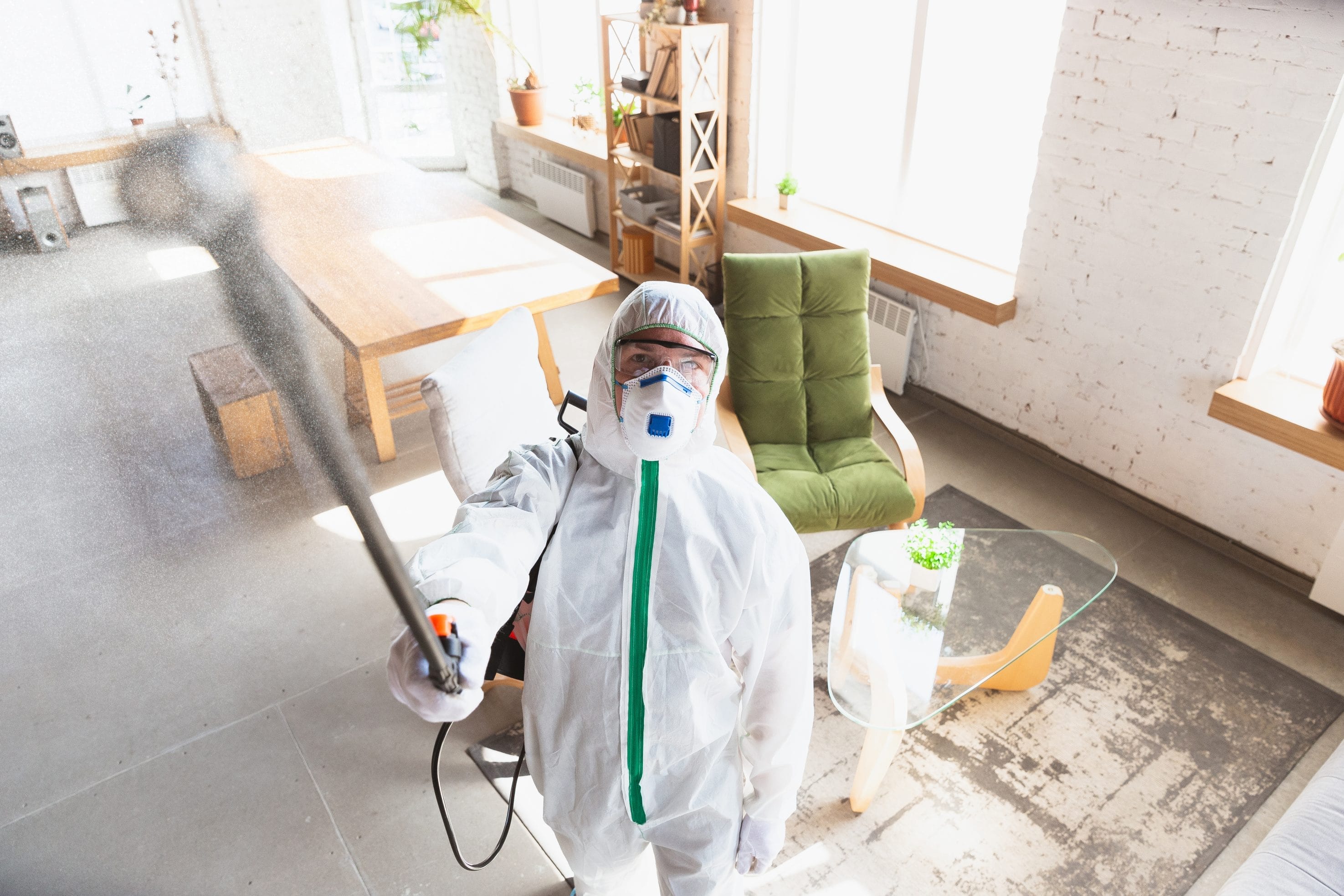
Mold issues in your home can feel overwhelming, especially when you’re unsure whether you need mold testing or immediate mold remediation. Understanding the difference between these two services is the first step toward protecting your family’s health and your property’s value. Mold testing identifies the presence and type of mold in your home, while mold remediation involves the physical removal and cleanup of contaminated materials. Certified Environmental Contractors has helped New Jersey homeowners navigate both services for over 20 years, providing direct lab analysis and professional solutions tailored to each situation.
Do I Need Mold Testing or Mold Remediation?
The answer depends on what you know about your mold problem. If you suspect mold but can’t see it, or if you notice musty odors without an obvious source, mold testing is your starting point. Testing confirms whether mold is present, identifies the specific species, and determines the concentration levels in your indoor air. This information is valuable because not all mold requires aggressive action, and knowing what you’re dealing with helps you make informed decisions about next steps.
On the other hand, if you can already see visible mold growth – especially after water damage, flooding, or persistent leaks – you likely need remediation right away. In these cases, testing may still be recommended to establish a baseline and verify that remediation efforts were successful, but the priority shifts to removing the contamination quickly before it spreads further.
Many homeowners benefit from starting with testing, particularly during real estate transactions. If you’re buying or selling a home, mold testing provides documentation that protects both parties and can prevent deals from falling through. Property managers also use testing when addressing tenant complaints, as it offers objective evidence to guide remediation decisions.
What Are the Signs You Might Have Mold in Your Home?
Recognizing the warning signs of mold can help you address problems before they escalate into larger health or structural issues. Some indicators are obvious, while others require closer attention:
- Visible growth: Mold often appears as black, green, white, or brown spots on walls, ceilings, or around windows and pipes
- Musty odors: A persistent earthy or damp smell, especially in basements, bathrooms, or crawl spaces
- Water damage history: Previous leaks, flooding, or roof damage create ideal conditions for mold
- Health symptoms: Unexplained respiratory issues, headaches, skin irritation, or allergy-like symptoms that improve when you leave home
- Condensation: Excessive moisture on windows, pipes, or walls indicates humidity levels that support mold growth
- Peeling paint or wallpaper: These can signal moisture problems behind the surface
Even if you don’t see visible mold, the presence of multiple signs warrants professional testing. Mold thrives in hidden spaces like wall cavities, beneath flooring, and inside HVAC systems where it can circulate spores throughout your home without detection.
Can I Test for Mold Myself?
DIY mold test kits are available at hardware stores, but they come with significant limitations. These kits typically involve placing a petri dish in your home to collect airborne spores or using surface swabs. While they may confirm that mold exists, they don’t tell you what type of mold you have, how much is present, or whether mold remediation is necessary – the critical information you need to take action.
Professional mold testing offers several advantages. Certified technicians know where to collect samples for the most accurate results, including hidden areas that homeowners might miss. Laboratory analysis identifies specific mold species and measures spore concentrations, distinguishing between normal background levels and problematic contamination.
If you’re concerned about cost, remember that improper testing can lead to unnecessary remediation expenses or, worse, missing a serious problem. Investing in professional mold testing upfront saves money and stress in the long run.
When Is Mold Remediation Necessary?
Mold remediation becomes necessary when contamination poses health risks or threatens structural integrity. Not every mold discovery requires professional intervention – small surface mold on bathroom tile, for example, can often be cleaned with proper products and improved ventilation. However, several situations demand expert remediation:
- Extensive growth: Mold covering areas larger than 10 square feet typically exceeds safe DIY cleanup
- Hidden contamination: Mold inside walls, ceilings, HVAC systems, or crawl spaces requires specialized equipment and containment procedures
- Post-flooding: Water damage from storms, burst pipes, or sewage backups creates widespread contamination
- Toxic species: Certain mold types, including Stachybotrys (black mold), require professional handling due to health risks
- Structural materials: Mold affecting wood framing, drywall, insulation, or subflooring may compromise building integrity
- Recurring problems: Mold that returns after cleaning indicates an underlying moisture issue that remediation must address
Our team at Certified Environmental Contractors approaches mold remediation systematically. We identify and correct moisture sources, contain work areas to protect unaffected spaces, and provide documentation throughout the process. Our A901 license – one of New Jersey’s most difficult environmental permits to obtain – demonstrates our commitment to proper waste handling and disposal.
How Do You Prevent Mold After Remediation?
Remediation removes mold, but prevention requires moisture control. To keep contamination from returning, maintain indoor humidity between 30–50%, using dehumidifiers in basements during New Jersey’s humid summers.
Fix leaks and drainage issues immediately, as mold can establish itself within 48 hours. Ensure bathrooms and kitchens vent moisture directly outside, and keep gutters clear to protect your foundation. Regular HVAC and plumbing maintenance will help you catch small drips before they become big problems. Finally, always verify professional work with follow-up testing to confirm a clean baseline.
Taking the Next Step Toward a Healthier Home
Whether you need mold testing to investigate suspicious odors or immediate mold remediation after discovering growth, addressing mold promptly protects your family’s health and your home’s value. The difference between testing and remediation is straightforward: one identifies the problem, while the other solves it. At Certified Environmental Contractors, we provide both services backed by 20 years of experience and our own certified laboratory. Contact us to schedule your inspection and take control of your indoor air quality today.