Trust Us for Oil Tank Removal Services

Experience seamless oil tank removal services that comply with NJDEP standards. Protect your property and ensure safety by choosing our expert team for hassle-free excavation and disposal.

An oil tank being removed from the ground with an excavator in the background.
Free On-site Estimates
20+ Years Experience
A901 License Holder
Soil Testing Included
An oil tank being removed from the ground with an excavator.

Why Should I replace My old oil tank?

At Certified Environmental Contractors, we help you achieve peace of mind by eliminating long-term liabilities associated with old storage tanks. Our oil tank removal service is not just about property maintenance – it’s about enhancing your living environment and ensuring compliance with environmental standards. By choosing us, you transform potential risks into reassured safety, contributing to a healthier and more valuable home that future-proofs against unforeseen liabilities.

  • Meet environmental and legal standards.
  • Safeguard your land from potential contamination.
  • Smoothen real estate transactions.
  • Eliminate risks associated with old, leaking tanks.
  • Avoid future costly liabilities from tank neglect.
  • Lower risks of soil and water contamination.

Oil Tank Removal Done Right

Choosing Certified Environmental Contractors means opting for a service that prioritizes your safety and satisfaction. Our comprehensive oil tank removal service is designed to be hassle-free, encompassing everything from free on-site estimates to reliable disposal and soil testing. With a proven track record of quick turnaround times and NJDEP compliance, we pride ourselves on being a trustworthy partner in your property maintenance journey.

  • Efficient removal with minimal noise and mess.
  • Managed by certified experts for reliability.
  • Timely completion that respects your schedule.
  • Timely completion that respects your schedule.
  • Premium services at competitive prices.
An oil tank being removed from the ground with an excavator.

Oil Tank Removal FAQs

Here are some frequently asked questions about our oil tank removal services. If you have others, feel free to reach out.

Removing an old oil tank has numerous benefits, including the prevention of leaks and environmental contamination, which could lead to costly clean-ups and potential legal liabilities. Additionally, removing an oil tank can increase the value of your property and make it more attractive to potential buyers. Peace of mind comes with the assurance that your property complies with current environmental regulations, avoiding any unexpected compliance issues in the future.

Moreover, it often eliminates the worry of unknown oil spills that might have gone unnoticed, ensuring that your soil remains uncontaminated. Finally, the process typically involves a site assessment by experts, followed by professional removal and verification, offering a thorough and detailed approach to property maintenance.

Determining the need for oil tank removal involves several assessments, starting with a visual inspection to check any signs of aging, rust, or leakage around the tank. If the tank is buried underground and unused, it’s advisable to have it removed to prevent potential soil contamination. Another indicator includes unexplained fuel consumption spikes, which might suggest a leak.

It is important to consult with a certified professional who can perform necessary tests and provide comprehensive evaluation reports. Professionals may use soil sampling and other diagnostic tools to ascertain if there’s any environmental impact, thereby recommending the best course of action in accordance with NJDEP guidelines. This proactive step helps protect the environment and enhances property safety, ultimately contributing to its market value.

  • Oil tank removal typically begins with obtaining necessary permits from local authorities, followed by a comprehensive site inspection by an experienced contractor.
  • The tank is then safely excavated and removed from the ground. During the excavation process, attention is paid to avoid environmental contamination.
  • Post-removal, the surrounding soil is tested for any petroleum presence or leaks.
  • If contamination is detected, a remediation plan is implemented which may involve removing contaminated soil or other corrective measures.
  • Lastly, a closure report may be provided confirming that the site meets the state and local regulations.

This step-by-step approach ensures not just safe removal, but complete environmental safety and legal compliance. Thorough documentation is maintained throughout the process ensuring compliance with legal and environmental standards.

Before undertaking an oil tank removal, you should adhere to several guidelines to ensure a smooth process.

  • Begin by consulting a qualified contractor who will perform a pre-removal inspection and guide you through the regulatory framework and permitting requirements specific to your region.
  • Make sure to clear access routes for the tank removal equipment and notify neighboring properties about the upcoming work to avoid conflicts.
  • It’s advisable to disconnect fuel lines and ensure any remaining oil is safely pumped out.
  • Additionally, verify that all involved parties, including contractors and waste handlers, are licensed and insured.

By following these pre-removal steps, you can mitigate risks of compliance issues or unexpected complications during the removal process, thereby ensuring everything aligns with municipal and state mandates.

The timeframe for oil tank removal often depends on several factors, including the size of the tank, its location, and any unforeseen complications like soil contamination. Generally, the physical removal of an above-ground tank can take less than a day. However, for underground tanks, the process might extend over a couple of days to allow for excavation, removal, testing, and backfilling the site afterward.

If soil remediation is required, additional time will be needed to manage and restore the affected environment. Before and after the removal, professional consultations and inspections ensure that all steps comply with state regulations, leading to an inspection report that can be filed with the appropriate authorities. A comprehensive estimate, obtained before beginning the removal, can help establish a more precise timeframe tailored to your specific circumstances.

If soil contamination is detected, a structured remediation approach is initiated to mitigate environmental impacts. Depending on the severity of contamination, soil may need to be excavated and appropriately disposed of at a licensed facility. Bioremediation techniques or chemical treatments might also be employed to neutralize pollutants.

In-depth soil testing continues during the remediation process to monitor progress. Communication with environmental agencies ensures all procedures comply with regulatory mandates.

Most importantly, a thorough cleanup not only restores ecological balance but also ensures future property safety and value. Documentation of the remediation process is meticulously recorded and submitted to necessary authorities, providing a comprehensive environmental assurance for property records. Ultimately, an NFA (No Further Action) letter might be issued, certifying all environmental concerns have been addressed.

While it might be tempting to undertake oil tank removal on your own, this approach is strongly discouraged due to the complex safety and environmental standards involved. Handling potentially hazardous materials demands specialized knowledge and equipment that professional contractors possess. Compliance with environmental regulations is mandatory; failure to adhere can lead to fines and legal issues.

Additionally, professionals conduct extensive tests and maintain records, ensuring total site safety and regulatory compliance. Moreover, contractors are insured, protecting you against potential liabilities during the removal and remediation process. Engaging a professional service guarantees the process is executed safely and efficiently, respecting all legal and environmental protocols, providing peace of mind that everything is managed appropriately.

Preparation for oil tank removal involves several organized steps to facilitate a smooth and efficient process. Initially, it’s important to consult with your chosen contractor to schedule a pre-removal inspection. Ensure access to the tank is unobstructed for machinery and workers, and consider notifying your neighbors regarding potential noise and activity. Confirm that all utilities near the tank are clearly marked to prevent any disruption or damage. Address any leftover oil by ensuring tanks are emptied safely by professionals. It’s also advisable to verify your contractor’s licensing and insurance status to avoid liability concerns. Proper preparation helps streamline the tank removal, minimizing inconvenience while ensuring compliance with both safety and regulatory requirements during every phase.

Have Questions?

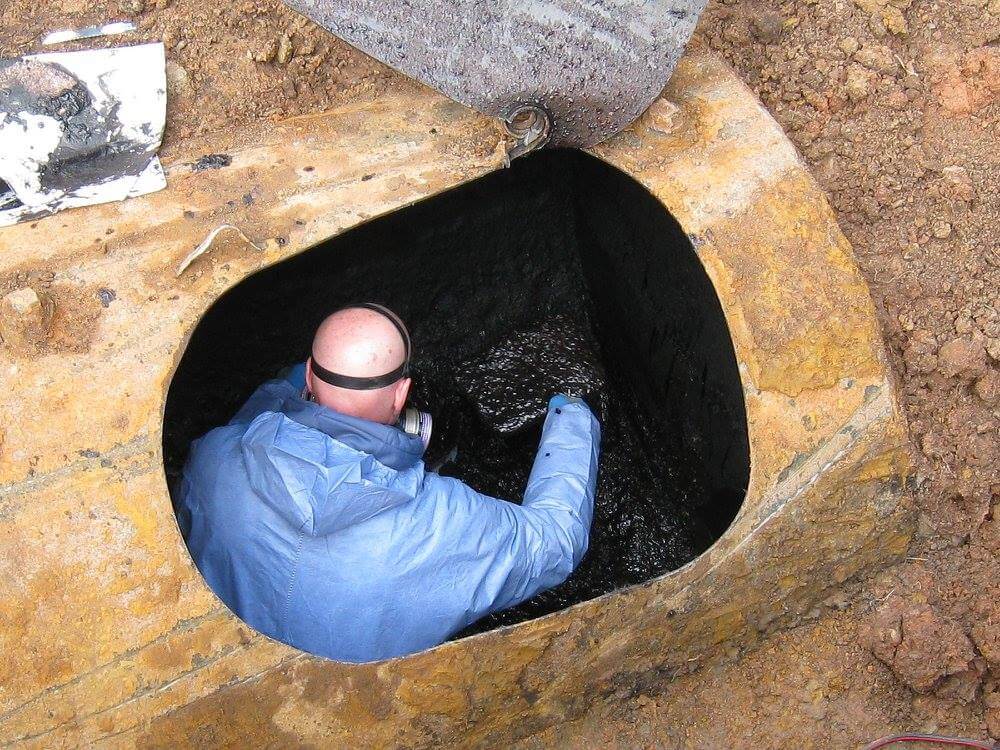
A man in blue inside a buried oil tank.

Choose Us for Expert Oil Tank Solutions

With over 20 years of proven expertise, Certified Environmental Contractors offer dependable and innovative oil tank removal services. Our in-house laboratory and certified team ensure precision and safety in every project. Trust us for a compliant and efficient service, backed by an A901 license that stands for unparalleled reliability in environmental contracting.

Proven 20+ Years Experience

Certified Safe & Reliable

State-of-the-Art Methods

Comprehensive In-House Lab

What is the Oil Tank Removal Process like?

1

Initial Consultation

Our experts start by conducting a thorough site evaluation to assess the condition and location of the oil tank. We discuss potential concerns and outline the removal procedure, ensuring you understand every step.

2

Site Preparation

Prior to removal, our team secures the area, ensuring all equipment and tank access is available. We coordinate with utility providers to mark any underground lines, preventing disturbances during excavation.

3

Tank Removal

We carefully extract the tank using specialized equipment, minimizing disruption to your property. Our team conducts a thorough check for any potential leaks or damages that require attention during the process.

4

Post-Removal Verification

After removal, we conduct meticulous soil testing to ensure no contamination. Upon verifying site safety and compliance, we provide a comprehensive report detailing our findings and any recommended actions.

Customer Testimonials

Our clients trust us for our seamless service, efficient solutions, and unbeatable expertise in the field. Rave reviews highlight our commitment to customer satisfaction, reliability, and the successful results we deliver. Discover how our trusted services have transformed properties with safe and compliant oil tank removals.

  • This will be the third time that we have used Certified Environmental on multiple projects we have done in the past four years, including oil tank removal. Pricing is excellent Professional experience And a big plus on time.
    Rick C.
  • Great experience from first contact to completed job in removal of an oil tank for an oil to gas furnace conversion. Competitive price matching, excellent communication and prompt efficient service. 100% recommend.
    Helen C.
  • Highly recommend Jim & Jason and the entire Certified Environmental Contractor staff for your oil tank removal and mitigation needs! Highly Recommend!


    Michael T.

Certifications & Affiliations

Certified Environmental Contractors are proudly recognized for their stringent adherence to standards with certifications from NRPP and the prestigious A901 Waste and Disposal License. Our affiliations with leading industry bodies reinforce our commitment to excellence and trust in handling your oil tank removal needs.

logo for NJ Licensed Site Remediation Professionals Association
logo for New Jersey Chapter of the International Association of Certified Home Inspectors
logo for ProGuard Environmental Services
logo for the Environmental Protection Agency
logo for New Jersey Department of Environmental Protection

Oil Tank Removal Resources

Explore our comprehensive resources tailored for property owners considering oil tank removal. Stay informed with the latest updates, guidelines, and expert advice to ensure a smooth and compliant removal process.

Secure Your Property with Expert Oil Tank Removal

Ensure safety and compliance by requesting a quote from Certified Environmental Contractors. Our professional team is ready to address all your oil tank removal needs with precision and care. Take the first step towards a safer property today.

  • 20+ Years of Experience
  • NRPP Certified Professionals
  • Comprehensive In-House Lab
Get a quote today!

"*" indicates required fields